.png)
.png)

BLOG

香港德國文化協會
The German Cultural Association
10 Best German Movies to Help You Learn the Language
You finish a past paper on the MTR, feel confident about your grammar, then put on a German film at home and lose the thread after the first fast exchange. We hear this from learners in Hong Kong all the time. The problem is rarely effort. It is usually a lack of contact with spoken German as it is used.
Films help close that gap because they bring together speed, emotion, pronunciation, gesture, and context in one place. Used well, they train the kind of listening that textbooks and drill sheets cannot fully build. They also give learners a reason to stay with the language long enough to notice patterns that matter in real conversation.
This list is designed for more than casual watching. GCA's native-speaking teachers use films as structured study material, with clear vocabulary themes, grammar points, and follow-up tasks that suit ambitious learners in Hong Kong preparing for Goethe exams, school assessments, university applications, or work abroad. If you are still building your foundation, our guide on how to start learning the German language will help you set that up properly before you add films to your routine.
There is a trade-off. A brilliant film is not always the best learning film. Some are linguistically rich but emotionally heavy. Some are easy to follow but limited in range. Some are excellent for pronunciation work yet less useful for formal writing or exam vocabulary. That is why each recommendation in this article goes beyond plot and focuses on what to study, what level it suits, and how to turn one film into repeatable language practice.
If you plan to build your own study clips or recap videos after watching, Zebracat's educational video equipment tips offers practical production advice.
The goal is simple. Watch with purpose, collect language you can reuse, and turn entertainment into measurable progress.
How can movies accelerate your German learning?
You finish a long day in Hong Kong, put on a German film, and suddenly the language stops behaving like a worksheet. You hear how people interrupt, soften requests, react emotionally, and link ideas at natural speed. That is the point where many learners start making faster progress, because German becomes something they process in context rather than decode word by word.
Films build skills that textbooks train only partially. They sharpen listening, pronunciation, cultural awareness, and phrase recognition at the same time. For learners preparing for Goethe exams, school assessments, university applications, or work abroad, that combination is especially useful because real progress depends on handling connected speech, not isolated sentences.
The catch is straightforward. Passive watching gives entertainment. Structured watching gives results.
At GCA, we use films as study material with a plan. One scene might be used for family vocabulary, another for modal verbs, another for noticing sentence stress or informal responses. That approach suits ambitious learners in Hong Kong who want more than exposure and need a clear path from watching to speaking, writing, and exam performance. If your basics still need work, start with our guide to how to start learning the German language before adding films to your weekly routine.
Use a simple workflow. Watch once for meaning. Rewatch a short section and note useful phrases by theme, such as opinions, disagreement, routines, or emotions. Then shadow two or three lines aloud and reuse them in your own sentences. If you create recap clips or study videos after watching, Zebracat's educational video equipment tips can help you set that up well.
Practical rule: Below B1, use English subtitles for the first viewing only. After that, switch to German subtitles, or study short scenes without subtitles so your ear starts doing more of the work.
1. Goodbye, Lenin! (2003)
For many B1 to B2 learners, this is the best place to start. The dialogue is conversational, the emotional stakes are clear, and the family setting gives you high-frequency language you can use in daily life.
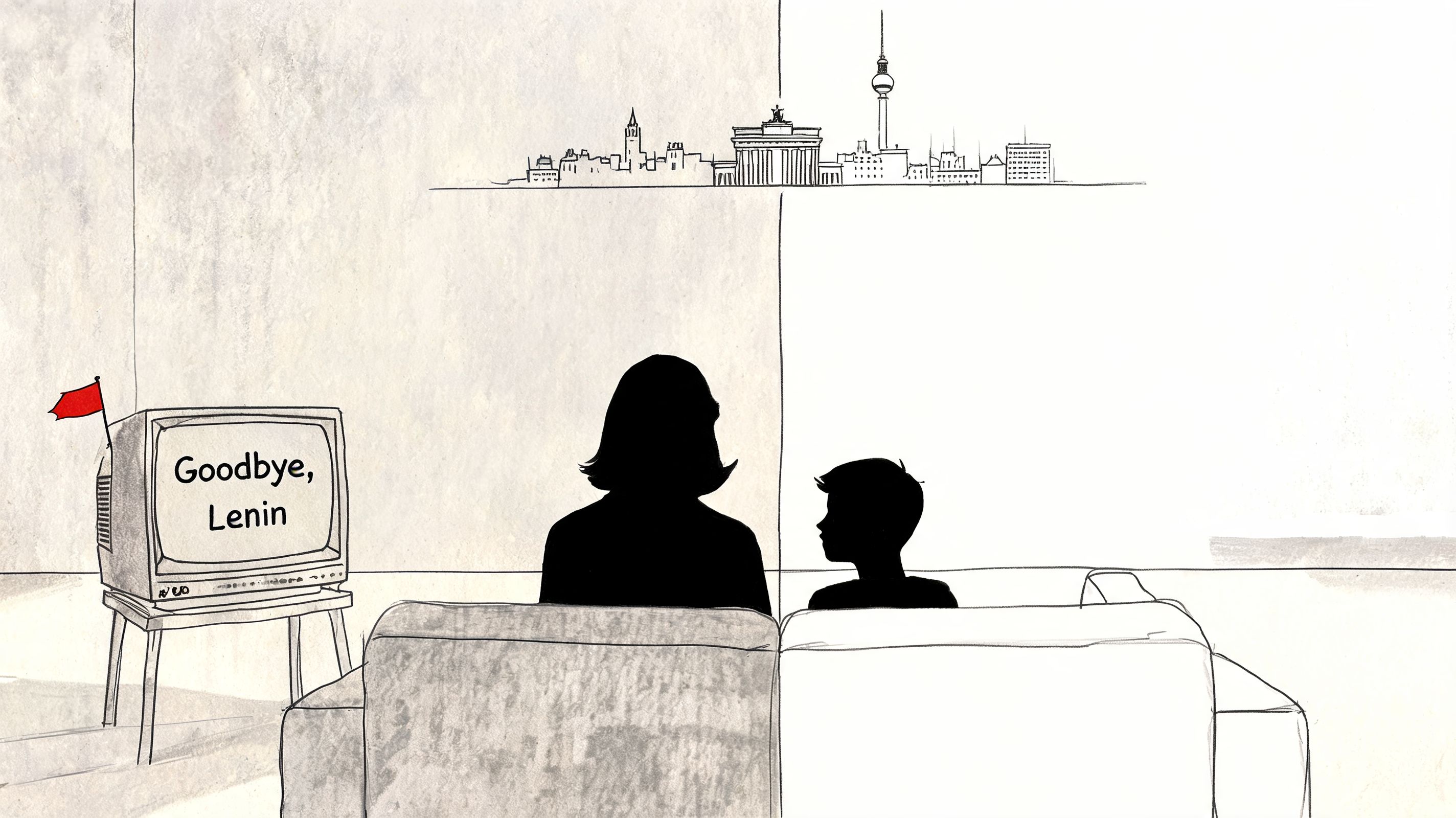
The story follows a son trying to protect his mother after the fall of the Berlin Wall. That setup creates repeated domestic conversations about health, routine, family, shopping, television, memory, and change. Those are excellent themes for learners who want practical German, not just literary vocabulary.
What to learn from it
Focus on three areas:
- Family language: terms for relatives, concern, advice, and everyday interaction
- Narration of change: past events, comparison, and reactions to new situations
- Social history vocabulary: East and West Germany, reunification, politics, and identity
This film also helps learners connect language to context. Historical references become easier to remember when they appear in a strong story instead of a textbook chapter. If you're still building your basics, start with GCA's guide on how to start learning the German language.
Watch one short scene twice. First for meaning, second for sound. Don't chase every word.
Best viewing method
Use German subtitles on your second viewing. Pause after emotionally charged exchanges and repeat one sentence aloud until you can match the speaker's rhythm.
For parents in Hong Kong with teens preparing for school-based assessments, this is also a useful discussion film. A child can summarise the plot in German, then explain one historical theme in English to check real understanding.
If you want to get more out of scene-based study, even basic production advice from Zebracat's educational video equipment tips can help you set up a simple home routine for replaying clips clearly.
2. The Wave (Die Welle) (2008)
Some films are memorable because they're pleasant. Die Welle is memorable because it unsettles people. That matters for learning. When a scene stays in your head, the language often stays with it.
This school-based thriller works especially well for teenagers and adult learners who want discussion-heavy practice. The setting gives you familiar vocabulary from classrooms, group dynamics, rules, peer pressure, authority, and debate. That makes it a strong fit for IB, A-level, and older secondary learners in Hong Kong.
Why it works in class and at home
The speech is generally clearer than in many fast urban dramas. You also get repeated structures around opinions, agreement, disagreement, and consequences. Those are useful for oral exams and classroom discussion tasks.
Try this sequence after watching:
- Summarise the experiment: explain what the teacher did, why he did it, and what happened next
- Practice opinion language: use phrases for agreement, criticism, and warning
- Retell cause and effect: connect events with weil, deshalb, trotzdem, and wenn
A practical trade-off. The language is accessible, but the emotional intensity can distract learners who are too focused on plot twists. If that happens, work in short segments instead of watching the whole film in one sitting.
Best for learners who need speaking practice
This is one of the easiest films on this list to turn into pair work. One person explains a character's behaviour. The other challenges that interpretation in German.
For adults, the film also works well in workplace training contexts because it opens discussion about leadership, conformity, and responsibility. That kind of topic moves learners beyond travel phrases and into the kind of structured speaking needed for university interviews or professional conversations.
3. Run Lola Run (Lola rennt) (1998)
If you've tried to learn with films before and found them too dense, start here. Lola rennt is fast in pace, but not overloaded with complex exposition. The visual storytelling does a lot of the work.
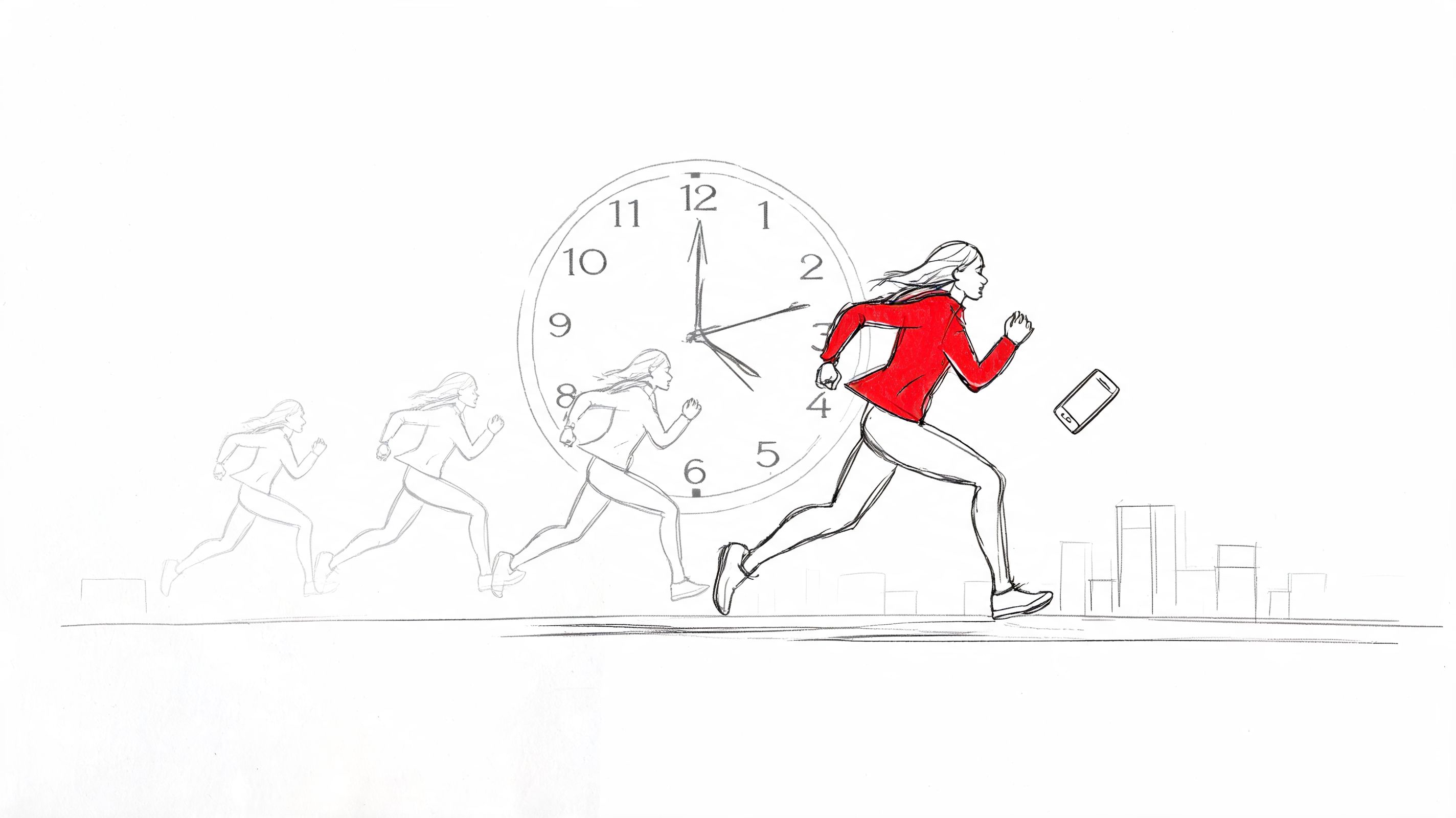
Because the story repeats with variations, key phrases and situations recur. That repetition is gold for language learning. You hear urgency, commands, time expressions, numbers, movement, and emotional reactions again and again.
What to focus on
This is a strong choice for upper beginners and lower intermediates who need confidence. At GCA, we often tell learners not to judge a film by dialogue quantity alone. Repetition and predictability often teach more than long speeches.
Use it for:
- Time language: minutes, deadlines, sequence, and urgency
- Imperatives: commands, requests, and emotional appeals
- Prediction skills: guess the meaning from visuals before checking subtitles
If you want to add free support materials around your film study, GCA's roundup of 12 free resources to learn German in Hong Kong pairs well with this kind of repeat-viewing routine.
Short, repeatable films often beat “important” films for actual progress.
One method that works well
Watch the first run-through of the story without pausing. Then rewatch one repeated sequence and note any line that appears in a slightly different form. That's a useful way to notice how grammar shifts with context.
The trade-off is obvious. This film won't give you calm, everyday conversation for ordering food or introducing yourself. It gives you speed, energy, and repeated chunks. That's why it's best used as a confidence builder, not as your only listening material.
4. The Lives of Others (Das Leben der Anderen) (2006)
This film belongs to advanced learners. If you're below B2, you can still watch it, but don't expect relaxed comprehension. The language is more nuanced, the emotional cues are subtler, and the historical context matters.
Set in East Germany under surveillance, the film rewards patience. It trains careful listening rather than quick vocabulary harvesting. That makes it useful for adult learners in Hong Kong who are preparing for TestDaF, university study, or more formal discussion in German.
Where the learning value sits
The strongest gains here come from formal register, abstract language, and controlled emotional expression. You hear people imply things rather than say them directly. That's hard, but important.
Try focusing on:
- Formal vocabulary: institutions, observation, responsibility, loyalty
- Complex sentence tracking: long clauses and indirect meaning
- Tone recognition: what a speaker means, not just what they say
The risk is overload. Learners sometimes mistake difficulty for usefulness and choose films that are too far above their level. If every line feels opaque, move on and return later.
Best use for serious learners
Watch with German subtitles, not English subtitles. English usually makes advanced learners passive. German subtitles force you to map sound to structure.
For professionals aiming to study abroad in Germany, this film also supports cultural literacy. It gives you a serious frame for discussing history, ethics, privacy, and state power. Those are topics that often appear in advanced speaking and writing tasks.
5. Scratch (2012)
Not every learner needs polished textbook German. Some need to survive real conversation in a modern city. That's where Scratch becomes useful.
The value here is colloquial German, identity-related themes, and the social language of contemporary urban life. If you're planning to study, work, or build a life in Berlin, this kind of film can help bridge the gap between class German and street German.
What it teaches that textbooks often don't
Textbooks tend to favour standardised clarity. Real life doesn't. In films like this, learners hear overlap, slang, hesitation, and compressed speech patterns.
Use it to notice:
- Urban colloquialisms: everyday spoken shortcuts and informal reactions
- Identity language: belonging, exclusion, background, and self-description
- Conversation texture: interruptions, filler words, and attitude
This film is particularly relevant to Hong Kong learners who want more than exam technique. Many adult students ask what German feels like in real social settings. A film with multicultural themes answers that better than a clean scripted dialogue ever will.
The trade-off is that slang ages, and some expressions may be region-specific. Learn the pattern, not just the exact phrase. Native-speaking teachers can help you separate current, useful language from expressions that sound dated or too local.
6. Mostly Martha (Bella Martha) (2001)
Some learners do better with warmth than intensity. Bella Martha is one of the most accessible films on this list because the pace is gentler and the emotional beats are easy to follow.
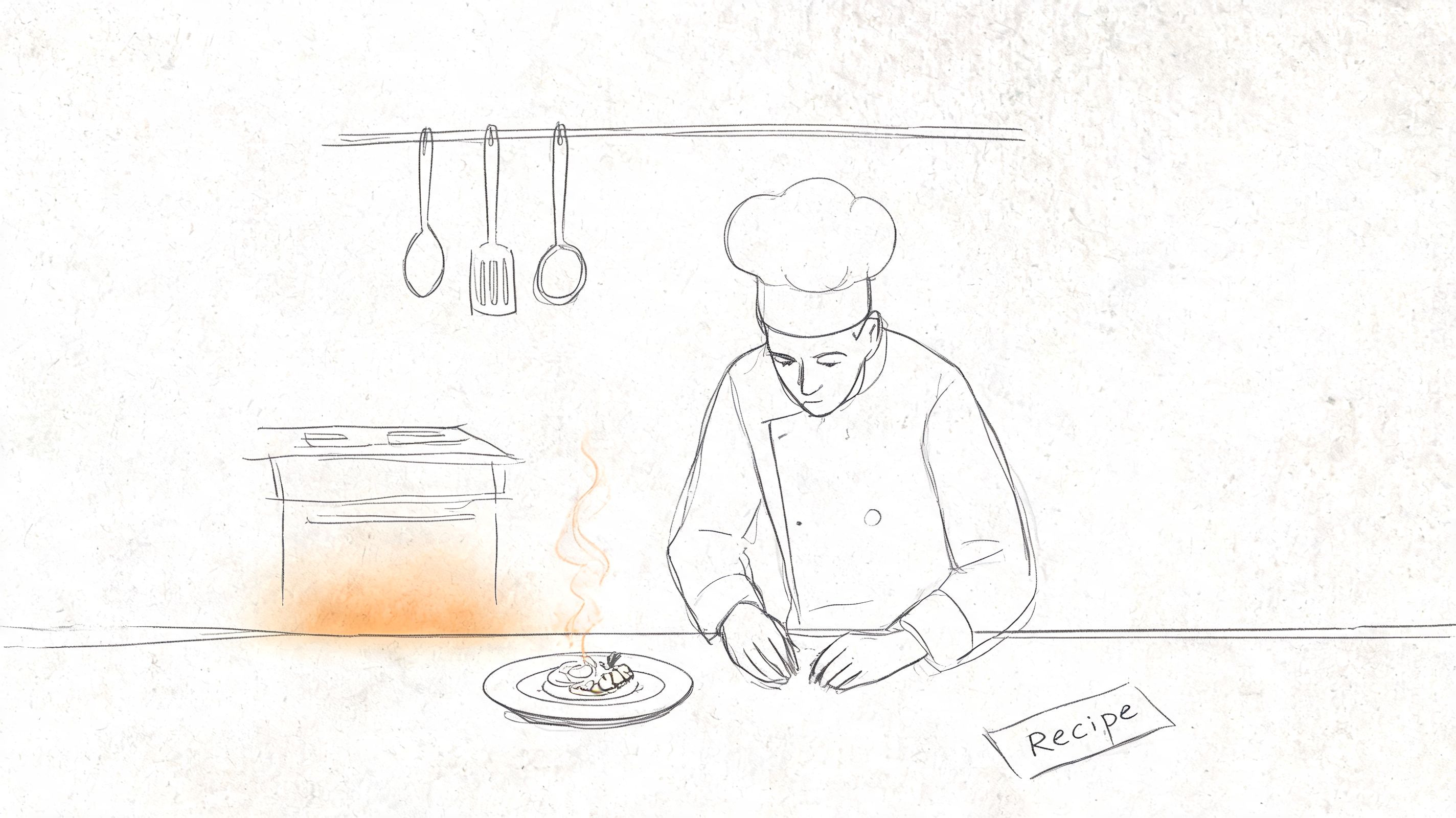
It's especially good for adults in Hong Kong who want practical language for travel, food culture, hospitality, or more comfortable listening practice. Kitchen scenes naturally generate repeated verbs and concrete nouns, which makes memorisation easier.
Vocabulary themes worth extracting
This is the kind of film where topic-based study works well. Build mini lists from scenes and recycle them in speaking practice.
- Food and cooking: ingredients, taste, preparation, kitchen tools
- Workplace interaction: instructions, correction, timing, teamwork
- Emotional softening: apology, care, routine, and changing relationships
For learners interested in travel and social behaviour, GCA's article on German culture and etiquette fits naturally after this film.
Films with concrete objects are easier to mine for usable vocabulary than films built only on abstract debate.
Best study approach
Pause after a kitchen exchange and write down five verbs you could use in your own life. Then turn them into short first-person sentences. That shift from recognition to production is where the vocabulary starts to stick.
This isn't the best film for learners who want fast modern slang or exam-style historical topics. It is, however, excellent for building confidence and practical vocabulary in a way that feels manageable after work.
7. The Tunnel (Der Tunnel) (2001)
If you want historical context without the heavier linguistic density of some art-house films, Der Tunnel is a strong middle ground. The plot is gripping, and the emotional drive keeps learners engaged even when they miss parts of the dialogue.
For students in Hong Kong preparing for IGCSE, A-level, IB, or Goethe-Zertifikat, this film supports both language growth and cultural knowledge. German history often becomes easier to remember when tied to family stakes, danger, and moral choice.
How to use it productively
The most useful language comes from planning, problem-solving, and emotional commitment. Those are excellent speaking themes.
After viewing, try these tasks:
- Retell the escape plan: sequence events using zuerst, dann, danach, am Ende
- Discuss values: loyalty, sacrifice, courage, and risk
- Compare eras: life before and after political division
This film also suits group discussion in a way some slower historical dramas don't. Learners usually have a clear opinion about what each character should have done.
One caution
Don't try to learn only isolated history terms from it. The bigger gain is narrative language. You're learning how Germans describe pressure, hope, and difficult decisions. That's much more transferable to oral exams and essay discussions.
For parents choosing content for older teens, this is often easier to work with than darker advanced films because the story structure is straightforward even when the theme is serious.
8. How to Sell Drugs Online (Fast) (2019-present)
This is not a universal recommendation. It's age-sensitive, tonally modern, and full of current youth language. For the right learner, though, it's one of the fastest ways to hear how younger Germans speak now.
It works best for B1+ learners, especially older teenagers and adults who already have some foundation and want contemporary vocabulary. The internet culture, texting logic, and informal speech patterns are useful if you're planning to interact with younger peers at university in Germany.
What makes it useful and what doesn't
Useful:
- Contemporary slang: current informal expressions and reactions
- Digital life vocabulary: online behaviour, messaging, social dynamics
- Fast conversational rhythm: clipped exchanges and youth interaction
Less useful:
- Formal speaking practice: almost none
- Beginner comprehension: too fast for most A-level learners unless heavily guided
- Universal register: some language is too informal for exams or workplace use
If a learner copies every line from youth drama, they may sound odd in interviews, class presentations, or formal emails.
Best for selective learning
Treat each episode as a source of short language chunks, not a script to imitate wholesale. Pick phrases that signal surprise, frustration, agreement, and humour. Those transfer well into natural conversation.
For Hong Kong parents, this is the film equivalent of supervised selective reading. Strong in the right context, unsuitable as default material for everyone.
9. The Hamburg Cell (2004)
Advanced learners often ask for serious material that pushes formal listening. This is one of those cases. The subject matter is heavy, and that means it needs mature handling.
What it offers is disciplined listening practice with serious vocabulary, controlled dialogue, and contemporary historical context. It can support C1-level learners who are preparing for university discussion, advanced writing, or culturally informed debate.
How to work with a difficult film
Don't watch this casually and hope language gains happen by themselves. Use a narrow objective for each session.
A good sequence is:
- Before viewing: read basic historical background in your stronger language
- During viewing: track key nouns and repeated institutional terms
- After viewing: summarise one scene in German in five to seven sentences
The topic also makes it useful for learners who need to discuss ethics, society, security, and public memory at a higher level. Those are the kinds of abstract themes that appear in advanced academic settings.
The obvious downside is emotional heaviness. If a film's content prevents sustained concentration, it stops being a good learning tool. Serious doesn't automatically mean effective.
10. The Reader (Der Vorleser) (2008)
This is the most demanding recommendation on the list. Not because every sentence is linguistically obscure, but because the film asks for moral, historical, and emotional interpretation all at once.
For advanced adult learners and students preparing for German university pathways, that's exactly why it's valuable. It supports the kind of discussion that goes beyond plot summary and into responsibility, literacy, shame, justice, and post-war memory.
Where advanced learners benefit most
The film is well suited to:
- Abstract discussion: guilt, responsibility, law, memory, silence
- Formal and semi-formal register: courtroom and reflective language
- Interpretive speaking: defending a view with nuance
The best study method here is slow and deliberate. Watch a section, take vocabulary notes, then respond to one discussion prompt in spoken German. Don't try to “finish” the film quickly. Work through it.
Why it matters for serious exam preparation
Advanced exams and university interviews don't just test whether you know words. They test whether you can think in German about difficult themes. This film gives you that kind of material.
At the same time, it's not an efficient starting point for most learners. If you're still struggling with subtitle dependency, return to this later. Ambition is useful. Premature difficulty usually isn't.
Top 10 German Movies for Language Learning, Comparison
| Title | Complexity 🔄 | Resource needs ⚡ | Expected outcomes 📊 | Ideal use cases 💡 | Key advantages ⭐ |
|---|---|---|---|---|---|
| Goodbye, Lenin! (2003) | Moderate, requires grasp of historical context and mixed accents | B1–B2; 121 min; use German subtitles for best results | Better listening comprehension, colloquial and reunification vocabulary | Intermediate cultural lessons, exam context, pronunciation practice | Clear conversational German, emotionally engaging, strong pronunciation models |
| The Wave (Die Welle) (2008) | Moderate, classroom setting; sensitive themes | A2–B1; 107 min; English subs available for reference | Academic & social vocabulary, discussion skills, critical thinking | Teen classroom discussion, IGCSE/A‑level/IB prep | Clear school dialogue, slower pacing, discussion‑friendly |
| Run Lola Run (Lola rennt) (1998) | Low, repetitive structure simplifies comprehension | A1–A2; 81 min; short runtime ideal for repeat viewing | Rapid vocabulary acquisition, phrase repetition, confidence boost | Absolute beginners, short sessions, vocabulary warm‑ups | High repetition, visual cues aid comprehension, very engaging |
| The Lives of Others (Das Leben der Anderen) (2006) | High, complex registers and historical nuance | B2–C1; 137 min; German subtitles recommended | Advanced listening, formal registers, historical insight | Advanced learners, TestDaF/C1 prep, university candidates | Nuanced dialogue, rich vocabulary, award‑winning drama |
| Scratch (2012) | Moderate, strong slang and regional accent | B1–B2; 95 min; may require cultural notes | Improved colloquial and multicultural urban German | Learners planning to live/study in Berlin, youth culture focus | Authentic contemporary street German, realistic speech patterns |
| Mostly Martha (Bella Martha) (2001) | Low–Moderate, clear, conversational pacing | A2–B1; 104 min; food/kitchen vocabulary heavy | Practical travel vocabulary, conversational fluency | Adult learners, travel German, culinary vocabulary practice | Warm dialogue, practical vocabulary, natural pacing |
| The Tunnel (Der Tunnel) (2001) | Moderate, historical plot with emotional scenes | B1–B2; 111 min; pairs well with historical research | Historical vocabulary, exam‑relevant cultural knowledge | Exam preparation with historical focus, intermediate learners | Clear dramatic dialogue, strong historical context |
| How to Sell Drugs Online (Fast) (2019–) | Moderate–High, fast modern speech and slang | B1–B2+ (16+); ~45–50 min episodes; Netflix availability | Contemporary slang, internet German, varied registers | Mature teens and young adults studying modern colloquialism | Authentic modern teen dialogue, highly engaging, current references |
| The Hamburg Cell (2004) | High, mature subject matter and formal registers | B2–C1; 127 min; advanced vocabulary; mature themes | Advanced formal vocabulary, cultural and historical context | Advanced exam prep, university prep, adult learners | Documentary feel, formal registers, real‑world complexity |
| The Reader (Der Vorleser) (2008) | High, literary and philosophical language | C1; 124 min; dense historical and legal vocabulary | Academic/ethical discourse, advanced comprehension | University applicants, advanced literature or philosophy focus | Sophisticated registers, deep historical/philosophical content |
Ready to Put Your Learning into Action?
You finish a German film, feel motivated, and catch far more than you expected. The next morning, very little comes back when you try to speak. That gap is normal. Film helps most when you turn it into active practice.
The 10 films in this list work best as a guided study plan, not as background entertainment. At GCA, we use each title with a clear teaching purpose: vocabulary themes, grammar targets, listening tasks, pronunciation focus, and follow-up speaking work matched to level. That approach suits ambitious learners in Hong Kong who want more than passive exposure and need study time to produce visible results.
Films can improve several skills at once:
- Listening accuracy: you hear natural speed, stress, reductions, and emotional tone
- Vocabulary retention: words stay with you more easily when they are tied to scenes, conflict, and character
- Speaking range: repeated sentence patterns give you usable phrasing for discussion and everyday conversation
- Cultural awareness: you learn how German changes across context, age group, profession, and historical setting
The trade-off is simple. Movies give you rich input, but they do not correct your output. If your articles are inconsistent, your word order slips under pressure, or your pronunciation blocks understanding, film alone will not fix it. You still need feedback, repetition, and structured speaking.
That is why the strongest results usually come from combining independent viewing with teacher guidance. A learner watches Goodbye, Lenin! and notes family vocabulary, modal verbs, and expressions of opinion. In class, the same learner practises summarising scenes, correcting word order, and discussing East and West German identity with support from a native-speaking teacher. The film provides memorable input. The lesson turns that input into usable German.
This matters in Hong Kong, where many learners are balancing German with demanding school or work schedules. Parents often want support for IGCSE, A-level, IB, or Goethe-Zertifikat preparation without making the language feel dry. Adult learners want practical listening practice between lessons. Students planning for Germany need stronger comprehension for real situations such as lectures, flat-sharing, shopping, and official appointments. Film-based study supports all three goals, provided the work is selective and structured.
I usually recommend a simple routine. Watch once with German subtitles. Rewatch key scenes and pull out 8 to 12 high-value phrases. Group them by function, such as agreeing, interrupting, describing emotions, or giving reasons. Then use those phrases in speaking or writing within 24 hours. That final step is where progress starts to stick.
Tools can help if they support that routine. Some learners use subtitle review, dictation, or voice-input tools such as Diktier-Software für macOS und Windows to practise spoken recall from scenes. The tool is secondary. The study plan matters more.
If you are serious about learning German in Hong Kong, do not stop at a watchlist. Use these films as material for listening drills, vocabulary notebooks, grammar review, and guided conversation. That is how enjoyable input turns into measurable progress.
If you want expert help turning these films into a practical study plan, German Cultural Association Hong Kong(GCA) offers native-led German courses for children, teens, adults, and professionals, with structured preparation for Goethe-Zertifikat, TestDaF, IGCSE, A-level, and IB. You can book a trial class, ask about CEF funding, or speak with an advisor about the right course format in Tsim Sha Tsui, Causeway Bay, or online.
Learn German for Kids: How Children Actually Pick Up a Third Language
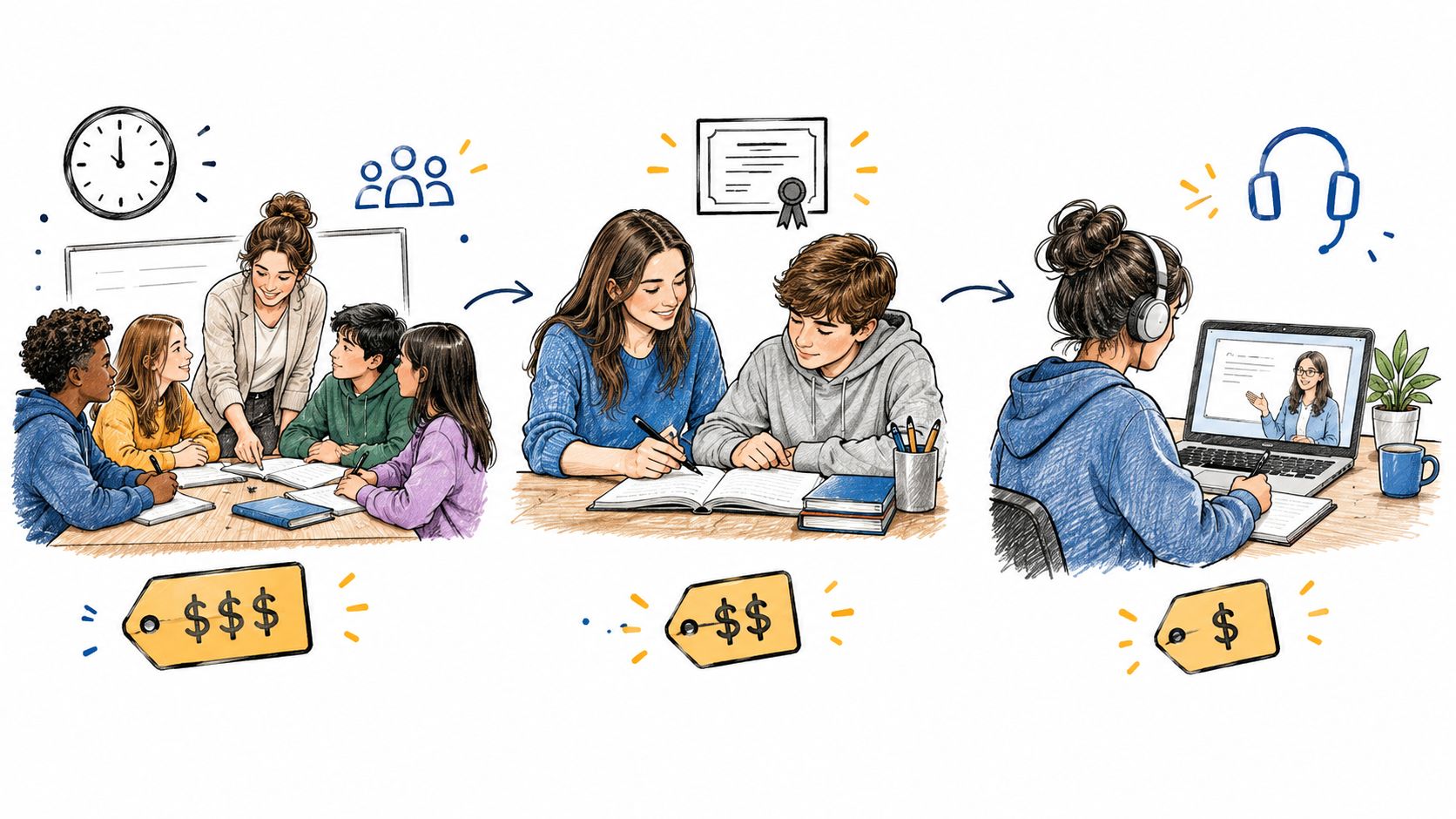
German Lessons HK: Formats and Prices Compared


