.png)
.png)

BLOG

香港德國文化協會
The German Cultural Association
Unlocking Your "Superpower": A Hong Konger's Guide to Learning German
Embarking on the journey to learn German in Hong Kong can feel like unlocking a superpower. For Hong Kongers looking for better career prospects, visa opportunities in Europe, or access to Germany's world-renowned free university education, mastering German is a strategic advantage. This guide is designed for you—the ambitious student preparing for the DSE or IB, the professional seeking an edge, or the parent investing in your child's future. We will explore how you can effectively 學德文 (learn German) right here in our city.
Learning German is more than just memorising vocabulary like Guten Tag (Good Day) or Danke (Thank you). It’s about grasping a logical system that opens doors to engineering, science, and the arts. For families, especially 香港德語家長 (Hong Kong German parents) or those with children at the German Swiss International School (GSIS), finding the right 德文班 (German class) is crucial for both academic success and cultural connection.
This article will break down the process into manageable steps. We'll cover the benefits of learning German specifically for people in Hong Kong, outline the different types of courses available, and provide a clear roadmap for beginners. Our tone is professional yet encouraging, reflecting our role as both an authority on German culture and a welcoming community hub. Let's begin your journey to acquiring this valuable "superpower."
Why German is a "Superpower" for Hong Kongers
In a competitive global landscape, multilingualism is a significant asset. For people from Hong Kong, learning German offers a unique and powerful advantage that goes far beyond simply adding a new language to your CV.
The Career Advantage
- Access to Economic Powerhouses: Germany is the largest economy in the European Union. proficiency in German makes you an invaluable candidate for German multinational corporations operating in Hong Kong and across Asia, such as Siemens, BMW, and SAP.
- Opportunities in Europe: For those considering a move to Europe, Germany offers excellent job prospects, especially in STEM fields (MINT – Mathematik, Informatik, Naturwissenschaften, Technik). Knowing the language is often a key requirement for securing a work visa and integrating professionally. This is a direct path to better career prospects in Europe.
The Education Advantage
- Free University Education: Germany is famous for its tuition-free public universities, which are open to international students. While many courses are offered in English, knowing German significantly broadens your choice of programmes and universities. It also makes daily life as a student much more manageable and enriching.
- Support for Local Exams: For students in Hong Kong, German is a recognised subject in exams like the IB (International Baccalaureate) and IGCSE. Strong German skills can directly contribute to a better overall score, which is critical for university applications. Many students from schools like GSIS benefit from structured German learning.
Finding the Right 德文班 (German Class) in Hong Kong
Choosing the right course is the most important step. Your learning style, goals, and schedule will determine the best fit. Here’s a breakdown of the options available.
Course Types for Every Learner
Paragraphs should be kept short, ideally 3-4 sentences, to improve scannability.
- Group Classes: These are perfect for learners who enjoy interaction and a structured curriculum. They typically follow the Common European Framework of Reference for Languages (CEFR) levels, from A1 for beginners to C2 for mastery.
- Private Tutoring: If you have specific goals, such as preparing for a TestDaF exam or need a flexible schedule, one-on-one lessons offer a personalised and intensive learning experience.
- Online Courses: For those with busy schedules, online classes provide the flexibility to learn from anywhere. Look for programmes that offer live interaction with an instructor to ensure you can practice speaking.
Key Grammar Concepts to Master Early
Learning German grammar can seem daunting, but focusing on the fundamentals will build a strong foundation. Use lists to break down complex rules.
- Noun Genders and Cases: Every noun has a gender (der for masculine, die for feminine, das for neuter). You will also need to learn the four cases (Nominative, Accusative, Dative, Genitive) which change the article and noun endings. Mastering the case system is a crucial takeaway.
- Verb Conjugation: German verbs change their endings based on the subject (e.g., ich lerne, I learn; du lernst, you learn). Start with regular verbs in the present tense.
- Sentence Structure (Satzbau): The basic word order is similar to English (Subject-Verb-Object), but the verb position is very strict. In a main clause, the conjugated verb is always the second element.
Visa Steps for Studying in Germany
For Hong Kongers planning to attend university in Germany, understanding the visa process is essential.
- University Admission: First, you must receive an acceptance letter (Zulassungsbescheid) from a German university.
- Financial Proof (Finanzierungsnachweis): You need to prove you have sufficient funds to cover your living expenses. This is typically done through a blocked account (Sperrkonto) with a required amount set by the German government.
- Student Visa Application: You will apply for a national visa at the German Consulate General in Hong Kong. This requires a valid passport, the university admission letter, proof of finances, and health insurance.
- Residence Permit: After arriving in Germany, you must register your address and convert your entry visa into a residence permit for study purposes.
Frequently Asked Questions (FAQ)
How long does it take to learn German for a beginner in Hong Kong?
For a dedicated beginner, reaching the A1 level (basic communication) can take around 3-4 months with regular classes. Achieving B1, often a requirement for university or work, can take 1-2 years of consistent study in a quality 德文班.
Is German useful for DSE students?
While German is not a mainstream DSE subject, proficiency in a third language like German is highly valued by local and overseas universities. It demonstrates academic dedication and a global mindset, making your application stand out.
Where can 香港德語家長 find resources for their children?
Parents can find playgroups, holiday camps, and structured courses designed for children. These programmes often align with the curriculum at international schools like the GSIS, providing excellent support for young learners.
Learning German is a rewarding journey that offers tangible benefits for your career and education. It's a "superpower" that can open up a world of opportunities.
To start your journey and explore our current course schedules for adults, teens, and children, please visit the German Cultural Association of Hong Kong website at https://german.com.hk. We invite you to join our community and unlock your potential.
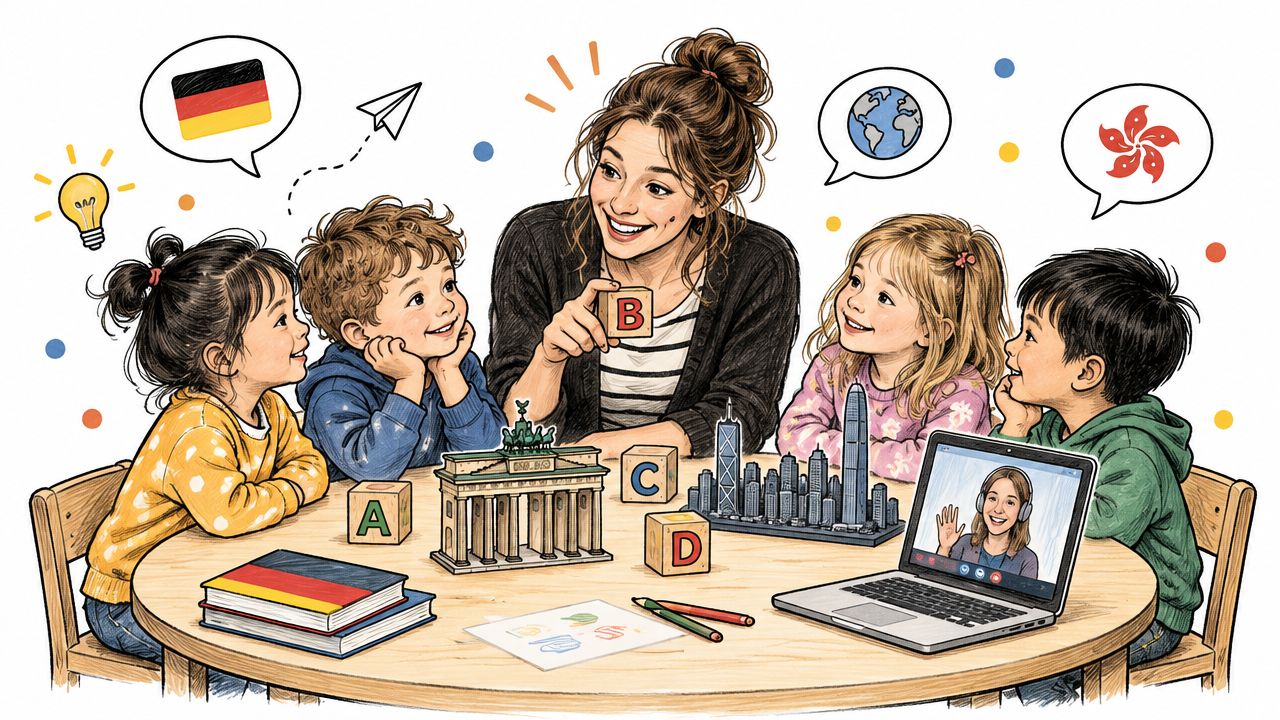
Preschool German Classes 2026/27 (Ages 3-6): Small-Group Intake & Trial Lessons
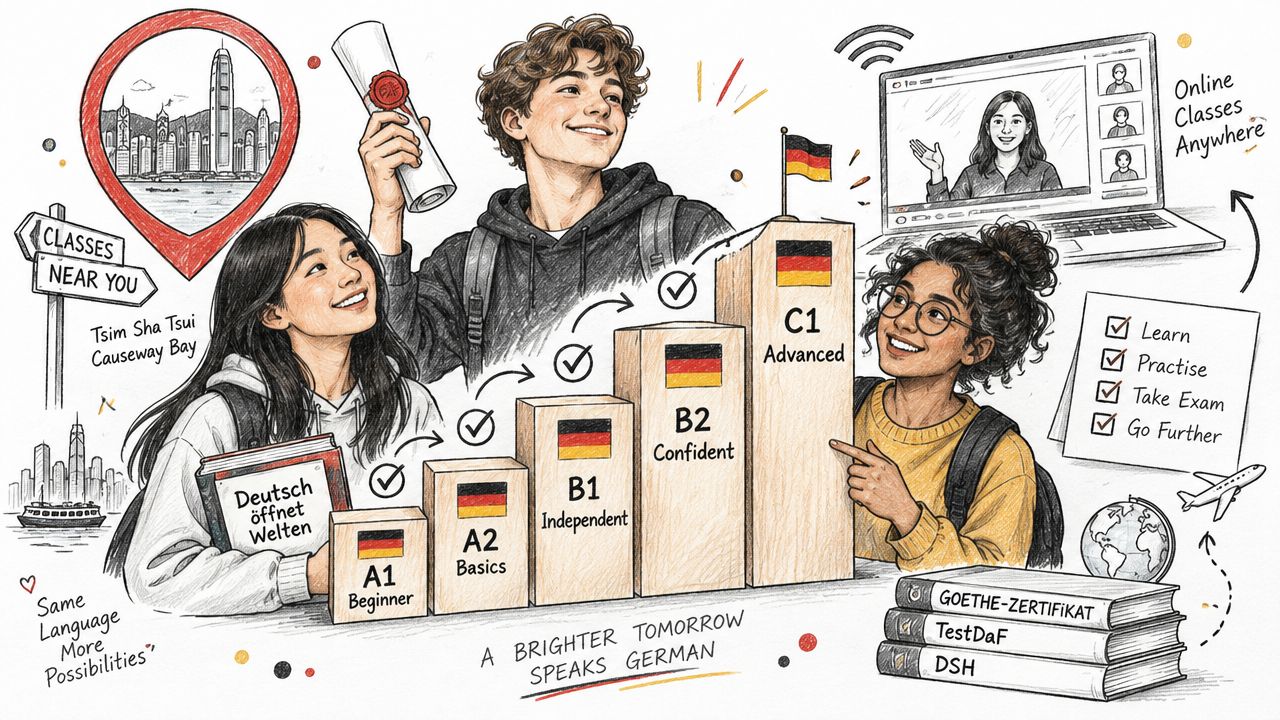
German Courses for Teens 2026/27: Ages 12-18 New Term Classes & Exam Pathways


