.png)
.png)

BLOG

香港德國文化協會
The German Cultural Association
7 Best German Courses for Children in Hong Kong
You are looking at German for a reason. You want more than an after-school activity. You want a course that helps your child perform well in school, build confidence, and stay competitive for IB, IGCSE, DSE-related language planning, and future study abroad in Germany.
That is exactly why choosing from the Best German Courses for Children in Hong Kong matters. In HK, the gap between a casual language class and a serious results-driven programme is huge. Some centres offer a pleasant introduction. Others provide a structured path that can support exam preparation, long-term progression, and academic return.
This guide gives you a direct ranking of the Best German Courses for Children in Hong Kong. I am judging them the way practical Hong Kong parents should judge them: teacher quality, class structure, exam readiness, flexibility, and whether the course can fit a child who is already balancing school, activities, and family life.
If your child is shy, overloaded, or easily discouraged, the right teaching format matters as much as the syllabus. Small classes, clear progression, and native-speaking guidance can make a real difference. That also supports wider growth in confidence and resilience, much like the principles discussed in building self-esteem in children.
How do you choose the right German course in Hong Kong
The best course matches your child’s goal, not just your postcode. For younger children, look for consistent exposure and strong teacher interaction. For older children and teens, prioritise structured progression, exam preparation, and a learning path that can support IGCSE, A-level, IB, or Goethe-Zertifikat.
1. German Cultural Association Hong Kong(GCA)
A common Hong Kong parent dilemma is simple. Your child is busy, school expectations are high, and you do not have time to waste on a language class that feels pleasant but delivers little. On that test, German Cultural Association Hong Kong is the strongest all-round choice in this guide.
I rank GCA first because it matches how ambitious HK families make education decisions. You are not just buying a hobby class. You are choosing a pathway that should support school performance, future certifications, and, for some families, university or Europe-facing plans later on.
GCA’s academic setup is the main reason. Classes are taught by native German speakers with DaF teaching qualifications, and the small-group format is capped at a maximum of 6 students per class, according to GCA’s published course information in this GCA intensive German course article. This is important because children do not learn well when they fade into the background.
Why GCA ranks first
GCA gets the fundamentals right, then adds the structure that many smaller language providers lack.
- Qualified native-speaker teaching: Children hear accurate pronunciation from the start and learn from teachers trained specifically in German as a foreign language.
- Small classes that allow correction: A six-student cap gives teachers room to catch weak grammar, fix speaking errors, and keep each child on pace.
- Clear academic relevance: GCA is suitable for children and teens working toward Goethe exams, IGCSE, A-level, and IB-related goals.
That combination is hard to find in one programme. If your child may eventually need one-to-one support, GCA also sits logically alongside private German tutors in Hong Kong for exam-focused support. Parents who want to compare school selection criteria can also read GCA’s guide on how to choose the best German language school in Hong Kong.
What families in Hong Kong get
For local families, the practical side matters almost as much as the teaching. GCA offers in-person classes, online Zoom lessons, and private lessons within the same structured system. Its locations near Tsim Sha Tsui and Causeway Bay also make it more workable than programmes that become a weekly logistics problem.
The pricing model is another advantage. GCA publicly states that intensive courses cost HKD 6,000-8,500 per CEFR level, with a pathway designed to reach B1 proficiency in 4-6 months, based on its published course details. For parents who care about return on educational investment, that matters. A structured route to usable proficiency is usually better value than open-ended weekly classes with no clear endpoint.
For exam-bound teens, pay for progression and teacher feedback. Contact hours alone are not enough.
Best for which children
GCA is a particularly strong fit for:
- Preschool and primary students who need close teacher attention and a strong pronunciation base
- Teens in international schools aiming for IB, IGCSE, A-level, or Goethe-related outcomes
- Families planning long-term German study for university admissions, exchange plans, or future visa requirements
- Busy households that need in-person and online flexibility without sacrificing structure
GCA also reports a 96% student recommendation rate in its published course overview. That is a useful signal. Parents and students who finish the programme are satisfied enough to recommend it, which is a stronger indicator than polished marketing copy.
Pros and cons
Pros
- Strong teacher quality: Native German teachers with formal DaF qualifications
- Better classroom attention: Small classes capped at six students
- Academic utility: Suitable for Goethe-Zertifikat, IGCSE, A-level, IB, and TestDaF pathways
- Flexible delivery: In-person classes, Zoom options, and private lessons
- Clear progression: Attendance-based certification and organised course structure
Cons
- Higher pricing: Costs more than generic tutorial-centre options
- Attendance requirement: Certificates require 80% attendance, as stated in GCA’s published course structure
- Private lesson fees: Full pricing is not clearly listed publicly
Website: German Cultural Association Hong Kong
2. Goethe-Institut Hongkong

A common Hong Kong parent scenario looks like this. Your child is doing well in languages, you want a qualification universities will recognise, and you do not want to gamble on a school with vague standards. In that case, Goethe-Institut Hongkong deserves serious attention.
Goethe-Institut is Germany’s official cultural institute. For families focused on recognised certification, that matters. It gives your child a direct path into the CEFR system and a learning environment built around the exam standards that many schools and universities already understand.
Why Goethe-Institut makes sense
Goethe-Institut is strongest when your goal is formal progression, not just casual exposure. It offers children’s and teens’ courses, placement support, in-person classes in Wan Chai, online options, and intensive formats. That structure suits families who want a clear route from beginner level to exam readiness.
For Hong Kong parents, the strategic point is simple. If your child may sit public or internationally recognised German exams later, Goethe-Institut sits close to the source. You are not relying on a third-party provider to interpret the standard. Your child learns within the official exam ecosystem from the start.
That gives it real value for long-term planning.
Best fit for these families
Goethe-Institut is a smart choice for:
- Students aiming for formal German certification
- Teens who work well in a structured, standardised course system
- Parents who want a widely recognised institutional name on the learning pathway
- Families planning ahead for university applications, exchange programmes, or qualification-based progression
If your child is older, independent, and exam-motivated, Goethe-Institut is often a better fit than a playful enrichment-style class.
Where parents should be cautious
The trade-off is personal attention. Large official institutes usually run on fixed schedules, standard pacing, and larger groups than boutique specialists. That works well for disciplined students. It is less effective for children who need frequent speaking correction, close teacher follow-up, or a gentler introduction to the language.
This is why I would not rank Goethe-Institut as the best first choice for every child, even though it is one of the strongest names on the list. Brand recognition is useful. Individual fit matters more.
If your son or daughter needs more customised speaking practice alongside formal study, compare it with private German tutors in Hong Kong who offer more personalised support.
Verdict
Choose Goethe-Institut if your priority is official certification, standardised progression, and long-term academic credibility. Do not choose it only because the name is famous. For the right child, it is a disciplined and high-value route. For a shy beginner, it can feel too institutional.
Website: Goethe-Institut Hongkong children and youth courses
3. Hong Kong Institute of Languages HKIL / HK Kidz

A common Hong Kong parent problem is simple. Your child already has school, activities, and tuition. German has to fit the calendar, not dominate it. That is where HKIL and HK Kidz make sense.
This provider is strongest on flexibility, not on German specialisation. If you need a course that can slot into a busy after-school routine, it deserves a serious look. If you want the highest academic upside for long-term German progression, I would rank dedicated German-focused providers above it.
Where HKIL adds value
HKIL works well for families who are buying convenience and structure first.
It offers the kind of broad private-institute setup that many Hong Kong parents recognise immediately. Multiple course formats, child-focused options through HK Kidz, and scheduling that is often easier to manage than smaller niche schools. For a younger child who needs a gentle start, that can be enough to get momentum going without turning German into another source of family stress.
It is a sensible shortlist choice if you want:
- Weekday or weekend scheduling flexibility
- A provider that can serve younger children through HK Kidz
- Different learning formats under one organisation
- A practical entry point before committing to a more exam-driven path
That matters for parents still testing one key question. Is German going to remain a light enrichment subject, or become a serious academic asset later for IB, IGCSE, or university planning?
What to check before you enrol
HKIL is only as good as the specific class your child joins. That is the core issue.
Large multi-language schools often vary more in teaching quality than specialist institutes. One teacher may run a lively, well-paced speaking class. Another may rely too heavily on worksheets and passive vocabulary work. If you are paying for long-term value, you cannot afford to guess.
Ask these questions directly:
- Who teaches the class? Ask whether the teacher is a native German speaker, near-native speaker, or general language instructor.
- What is the progression route? You need to know what comes after beginner level.
- How much speaking time does each child get? This matters far more than attractive course descriptions.
- How are parents updated? Ask for concrete feedback methods, not vague reassurance.
- Does the course support future exam preparation? If the answer is unclear, treat it as a convenience course, not a strategic one.
My verdict
Choose HKIL or HK Kidz if flexibility is your top priority and your child needs a manageable introduction to German.
Do not choose it on the assumption that all established language schools produce strong long-term results. For ambitious families, this is a useful starting platform, not the strongest high-performance pathway on this list. If your goal is serious progression, close speaking correction, or exam-linked development, compare it carefully against specialist options and one-to-one support. Parents weighing that route can review this guide to best private German tutors in Hong Kong.
Website: HKIL children’s German course
4. Kinderleicht Sheung Wan

Your child is four, curious, energetic, and nowhere near ready for a textbook-heavy lesson after a full Hong Kong school day. Kinderleicht is built for that child.
This is the strongest early-years German option on this list. It focuses on play, songs, movement, and hands-on interaction in a setting designed for young children, not older students squeezed into a generic language-school model. For families with babies, toddlers, preschoolers, or younger primary children, that matters.
Best fit
Choose Kinderleicht if your goal is to build comfort, listening skills, and positive speaking habits early.
It suits parents who want:
- Play-based German exposure
- A children-only learning environment
- Small-group learning for younger ages
- Private lessons and holiday programme options
That makes it a smart first-stage investment, especially if you want your child to enjoy the language before you ask for academic output.
Where parents need to be clear-eyed
Kinderleicht is not the strategic pick for exam-driven families with older children. If your target is IGCSE, IB Ab Initio, or a formal Goethe pathway within the next few years, you need to check the progression route carefully before enrolling.
That does not weaken its value. It defines its role.
For early childhood, the right course builds attention, confidence, and willingness to speak. Kinderleicht does that better than more generalist providers. For upper primary and secondary students, you need clearer academic sequencing and stronger assessment visibility.
The practical decision is simple. Pick Kinderleicht for a strong start. Switch or supplement later if your child’s goals become exam-based or university-focused.
Website: Kinderleicht Hong Kong
5. Berlitz Hong Kong

Berlitz is the flexibility pick. If your family is constantly juggling school schedules, travel, and extracurriculars, Berlitz is worth considering because it offers in-person and live-online formats plus private and semi-private lesson structures.
This is not the most child-specialised option, but it does suit busy households.
What Berlitz does well
Berlitz is a global language brand. Parents often choose it because they already know the name and expect standardised teaching materials.
Its German offering for children and teens is useful when you want:
- Private lessons
- Semi-private lessons
- Online convenience
- Bundle-based scheduling rather than strict term formats
That can work well for older children and teenagers who need targeted support rather than a full peer-group classroom environment.
Best use case
Berlitz makes the most sense when your child needs customised timing. It is also practical if you prefer a one-to-one approach over an open group course.
Still, there is a trade-off. A private format can be efficient, but it may lack the social motivation some children need. Young learners often benefit from seeing peers participate, make mistakes, and practise aloud.
Parents should ask direct questions about the teacher’s experience with children specifically, not just with language teaching in general.
Recommendation
Shortlist Berlitz if schedule flexibility is your main concern. If your child needs a richer child-focused environment or a stronger exam-preparation identity, there are better options higher on this list.
Website: Berlitz Hong Kong German courses
6. Mastery in Languages Wan Chai

Mastery in Languages is the transparent-planning option. Many language schools still make parents enquire for basic information. This provider is more useful for families who want to see schedules and fees clearly before they contact anyone.
For practical Hong Kong parents, that is a real advantage.
Why it stands out
This school positions itself well for teenagers and exam-minded learners. It offers small-group and private German classes for children and teens, plus a visible exam-preparation angle for Goethe, IGCSE, and IB pathways.
That makes it relevant for:
- Teens who need milestone-based learning
- Parents who want transparent timetable planning
- Families who want exam-focused teaching without joining a very large institution
The appeal here is clarity. If you like to compare options carefully and plan by term, this school deserves a close look.
Where it may fall short
This is a smaller operation than the best-known institutional names. That usually means fewer parallel classes and fewer timetable choices.
Parents should also confirm that the currently advertised course dates match upcoming intakes. Smaller schools sometimes leave earlier schedule examples online while planning the next round.
Advisor’s view
I would place Mastery in Languages above many generic language centres because it appears to understand what Hong Kong parents care about: published information, exam orientation, and manageable class sizes.
It is not my top choice over GCA for a full long-term pathway, but it is a respectable option for teens who need a focused, transparent setup.
Website: Mastery in Languages German Foundation A1 for Teenagers
7. HKU SPACE Beginners’ German for Teenagers Summer School
A teenager has a free summer, some curiosity about Europe, and no clear reason yet to commit to a full-year German programme. HKU SPACE fits that exact case.
This is a short, university-affiliated summer course for older students. For Hong Kong parents, that makes it a trial option, not a long-term language plan. Use it to test motivation and classroom fit. Do not choose it if your goal is steady progression toward IB, IGCSE, Goethe exams, or a university application profile built over time.
Where HKU SPACE fits
HKU SPACE works best for a narrow group of families:
- Teenagers exploring German for the first time
- Students who want a structured summer course rather than weekly term classes
- Parents who value a university-linked learning environment
- Families making a low-risk first move before investing in a specialist provider
That is its role. It gives teens a credible introduction without asking parents to commit to a full pathway too early.
Where it falls short
The limitation is strategic, not academic. A summer school format does not give your child the continuity needed for meaningful exam preparation or long-term fluency.
Younger children should look elsewhere. So should families who already know they want a proper progression route. If your child is aiming for sustained results, you need a provider with clear levels, regular follow-on classes, and a stronger record in school-facing outcomes.
Advisor’s view
I would treat HKU SPACE as a starter course for undecided teens, nothing more.
It has value if your child wants a serious first exposure in a formal setting. It is not the right choice for families who are planning German as an academic asset. Ambitious parents should see summer school as a screening step. If the subject sticks, move quickly into a specialist programme with year-round progression.
Website: HKU SPACE Beginners’ German for Teenagers Summer School
Top 7 Childrens German Courses in Hong Kong: Comparison
| Provider | 🔄 Implementation complexity | ⚡ Resource requirements | ⭐ Expected outcomes / 📊 Impact | Ideal use cases | 💡 Key advantages |
|---|---|---|---|---|---|
| German Cultural Association Hong Kong (GCA) | Moderate – structured curriculum with small-group & 1:1 logistics | High – native-qualified teachers, learning materials, centres + Zoom | High – strong exam results; 96% recommendation; many top 10% exam scores | Exam prep (IGCSE/A-level/IB), German uni applicants, families wanting native tutors | Native instructors, small cohorts, flexible scheduling, included materials |
| Goethe-Institut Hongkong | Low – standardized CEFR pathway and fixed term processes | Moderate – certified materials, exam-centre administration | Reliable – CEFR-aligned progression and formal assessment pathways | Parents seeking standardized curricula, heritage literacy, formal exams | Recognised international brand, certified exam centre, transparent schedules |
| Hong Kong Institute of Languages (HKIL) / HK Kidz | Moderate – multi-campus delivery with varied programme streams | Variable – facilities for playgroups, after-school and weekend slots | Variable – steady outcomes but dependent on campus/instructor | Families needing broad timetables, immersion playgroups, school-prep | Wide scheduling, immersion playgroups, long-established provider |
| Kinderleicht (Sheung Wan) | Low – boutique, play-based early-years model | Moderate – small specialised classes, certified early-years teacher | High for early-childhood engagement and individualized progress | Babies, toddlers, preschoolers needing play-based immersion | Specialist early-childhood focus, very small groups, nurturing environment |
| Berlitz Hong Kong | Low – centralized materials and flexible delivery model | Moderate – private/semi-private tutors, online platform options | Consistent – CEFR-aligned content; outcomes tied to lesson intensity | Busy families needing private or online flexibility | International brand, flexible online/in-person options, lesson bundles |
| Mastery in Languages (Wan Chai) | Moderate – small-group structure with exam milestones | Moderate – published timetables, exam-focused resources | Strong – clear exam-prep orientation with milestone targets | Families prioritising transparent pricing and targeted exam prep | Transparent fees/timetables, explicit exam-prep framing |
| HKU SPACE – Beginners’ German for Teenagers (Summer) | Low – defined short block (30 hours), university admin | Low – fixed fee, scheduled venue and instructors | Moderate – basic beginner progress in a short, affordable block | Teens (15+) seeking a reliable summer introduction | University-affiliated, transparent fee/intake, affordable short course |
Ready to Secure Your Child’s German Advantage?
Your child is already carrying a full Hong Kong schedule. School, assessments, activities, and language learning all compete for the same limited hours. A German course should therefore earn its place. It should build usable language ability, support future exam options, and fit a family routine that can be sustained.
That is the standard you should use to make the final decision.
For ambitious parents, the right question is simple. Which provider gives your child a clear path from beginner lessons to credible academic outcomes, without wasting two years on pleasant but shallow exposure? On that measure, German Cultural Association Hong Kong is the strongest first choice.
The reason is practical. GCA offers what serious families usually need in one place: native-speaking teachers, small classes, child-focused teaching, and a progression model that suits children who may later aim for Goethe exams, IB language development, IGCSE, A-level enrichment, or German-speaking university pathways. In Hong Kong, very few providers combine all of those strengths with this level of continuity.
That continuity matters more than parents often realise. Young children need engagement. Older children need structure. Teenagers need a pathway that can withstand exam pressure and school timetable changes. A provider that can support all three stages is usually a better long-term investment than switching centres every year.
Several schools on this list still suit specific families well.
- Goethe-Institut Hongkong is the right benchmark if you want official institutional credibility and do not mind a more formal setup.
- HKIL / HK Kidz is a sensible pick for parents who need broader scheduling options and easier access across age groups.
- Kinderleicht Sheung Wan is the strongest fit for very young learners who respond best to play, movement, and a gentle early-years environment.
- Berlitz Hong Kong works for families who prioritise private lessons, online access, or timetable flexibility over a child-specialist atmosphere.
- Mastery in Languages Wan Chai makes sense for families who want a more explicit exam-prep direction and clearly published fees.
- HKU SPACE Beginners’ German for Teenagers Summer School is a useful short summer entry point for older teens who want a low-commitment start.
If your goal is occasional enrichment, several of those options are perfectly acceptable. If your goal is strategic language capital, the choice should be stricter.
German can strengthen a student profile for selective schools, support later European university ambitions, and signal intellectual range beyond the usual English and Putonghua track. That advantage only materialises when the course has direction. Casual attendance without progression does not produce much return.
For parents who want a serious, native-led pathway in Hong Kong, German Cultural Association Hong Kong(GCA) is the clearest next step. Book a trial class, ask directly how they group students by age and level, and check whether the timetable will still work once the next school term gets busy.
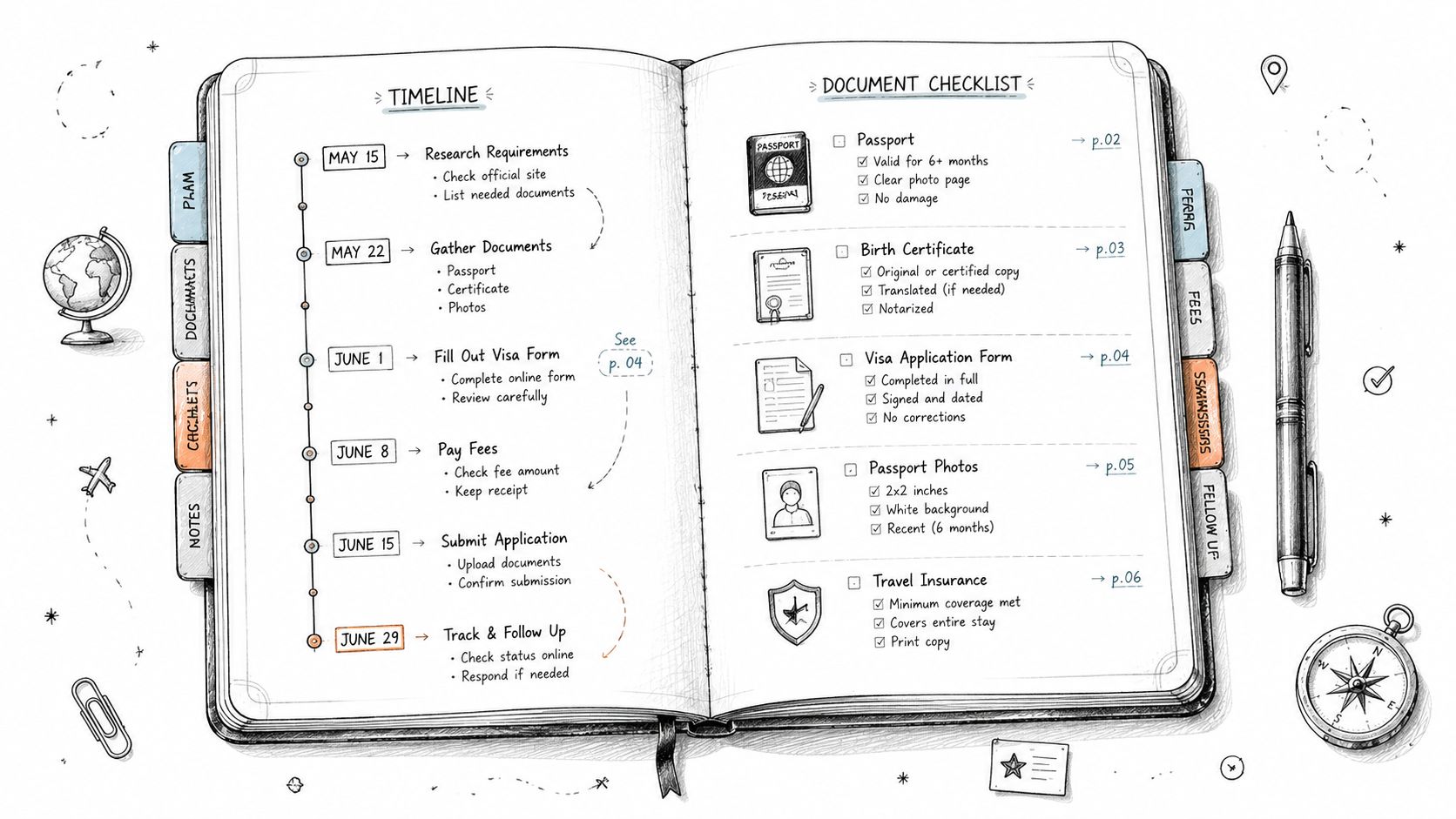
Timeline & Documents for German Studies in Hong Kong

Germany Working Holiday Visa for Hong Kongers 2026/27: Quota


